
Define the spot and the question
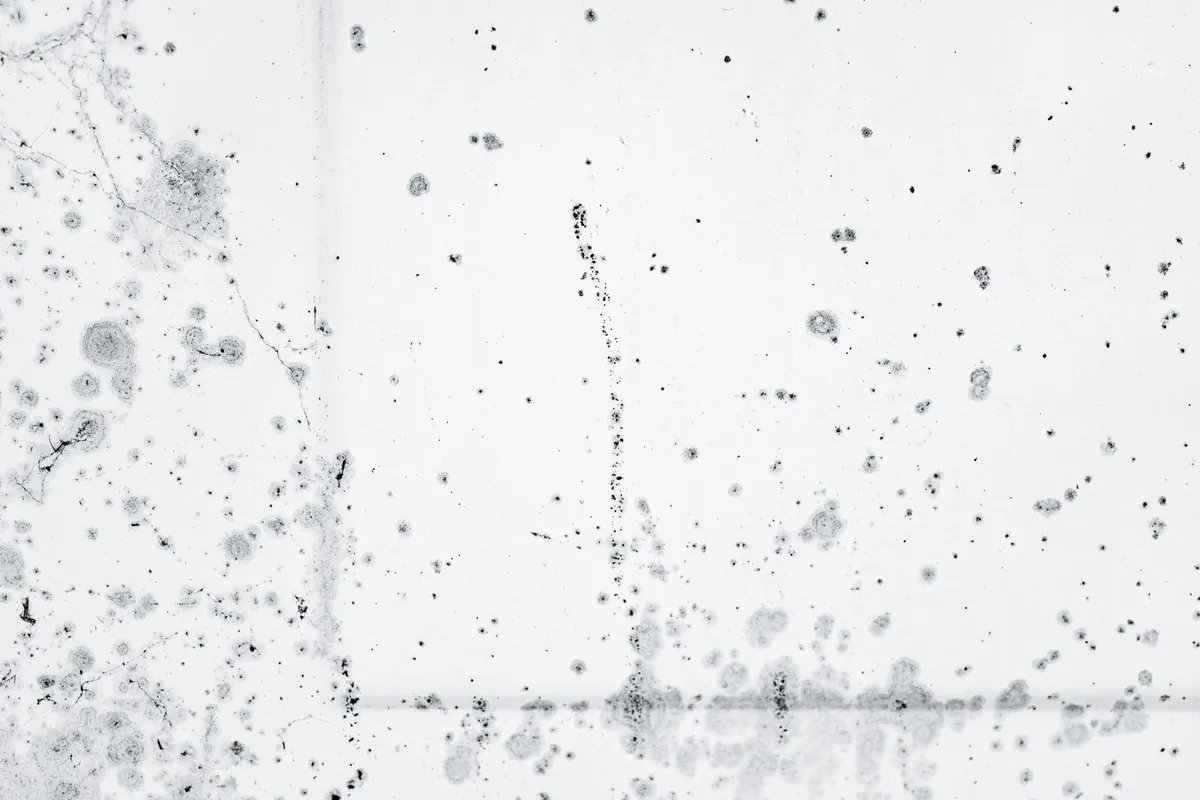
A discolored cabinet base, marked wallboard, or suspect deposit near a vent may prompt questions about what is present. Tell the assessor where the material is, when you noticed it, and whether it has been cleaned or disturbed. Photographs can help explain a location but cannot confirm the identity of the material.
Where growth is already visible, ask whether laboratory identification will change the next step. A sample should have a purpose beyond simply confirming a concern that already needs attention.
How collection methods differ
A tape lift collects material from the surface. A swab collects material from a selected area, while bulk sampling involves a piece of the material itself. The assessor and laboratory method determine which approach is suitable. Some methods can mark or disturb the sampled area, so ask about permissions and any material limitations before collection.
The quote should identify the locations or decision process, laboratory analysis, interpreted report, and any need for owner authorization. Sampling is not a cleaning service.
What surface results can and cannot show
Ask the assessor to identify the collection point clearly and explain the result against the visual findings. The sampled spot may not represent the rest of a wall, a neighboring room, or a hidden cavity. Surface findings also cannot be treated as an airborne concentration measurement.
If the question concerns airborne particles instead, read about mold-related air sampling. If the material is wet, the more pressing investigation may concern why moisture is reaching that location.
Before touching or cleaning a suspect area
Ask the assessor how to preserve useful information before the appointment and avoid disturbing a suspected area merely to obtain a sample yourself. Do not open building assemblies or access unsafe equipment for a photograph. Any active leak or safety issue needs the appropriate professional rather than waiting for a laboratory identification.
Costs and next steps
Fees may include the inspection visit, sample collection, laboratory work, interpretation, and authorized material access. Ask whether another sample would materially improve the decision before approving it. Findings may support a separate assessment or repair decision, and help you plan the next step for the property.
Schedule your inspection
Explore our Bradenton mold inspection guidance for an overview of our approach. Tell us about the property, affected areas, and any timing requirements. We discuss the inspection scope, optional sampling, quote, and report timing with you before confirming an appointment.
For a property in Cortez, share the full address and access arrangements so we can plan the visit. Tell us who can authorize the inspection and whether management or another site contact needs to attend.
Questions about surface mold sampling
Can a photograph identify mold?
A photograph can document the location and appearance of a concern. It does not provide a laboratory identification or reveal the condition behind a surface.
Is surface sampling included in an inspection?
Only if our inspector’s agreed scope says so. Ask for optional sampling charges and the reason each proposed sample is useful.
Will sampling damage a surface?
The effect depends on the method and material. Ask our inspector about collection, permission, and any cosmetic or material disturbance before approving the work.
Related services
Depending on the concern, mold testing may offer another useful starting point. You can also explore moisture & leak detection inspection. We help you understand which approach fits your property before work begins.